
Full house renovations, Merseyside.
Whole-property refurbishment — structure, roof, rewire, heating, damp, plastering, kitchens, bathrooms, flooring and decoration on one contract and one programme.
A whole-house renovation is a sequencing problem more than a building problem. Do it in the wrong order and you pay twice: the plasterer comes back after the electrician, the new floor comes up for a pipe, the decorator returns for a third visit. We set the order first and price against it.
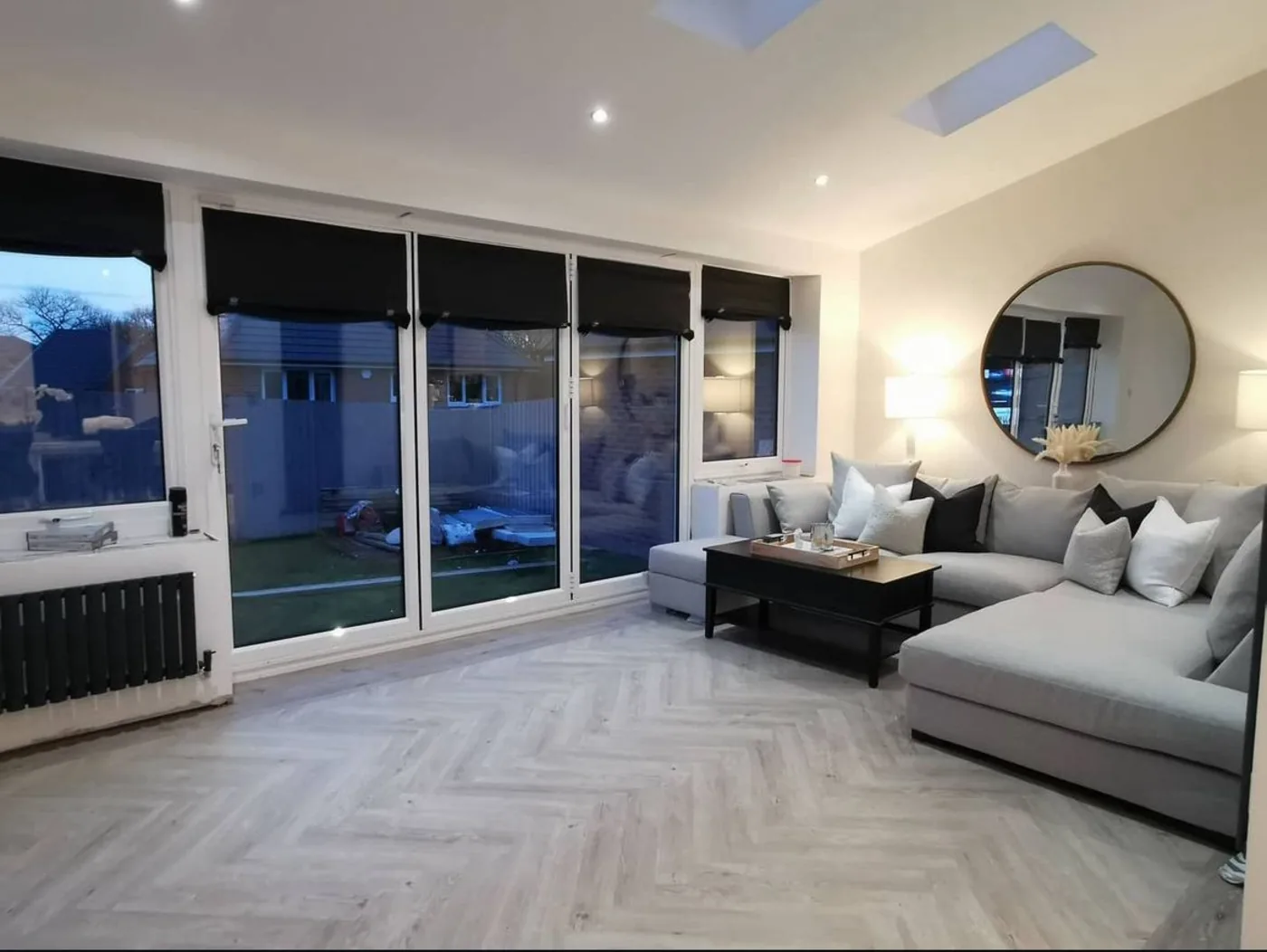
Order of work
Right order, once.
We programme a renovation from the outside in and the top down. Roof, gutters, flashings and anything letting water in comes first, because there is no point plastering under a leak. Then structure and any new openings, then windows and external doors, then the strip-out back to a workable substrate.
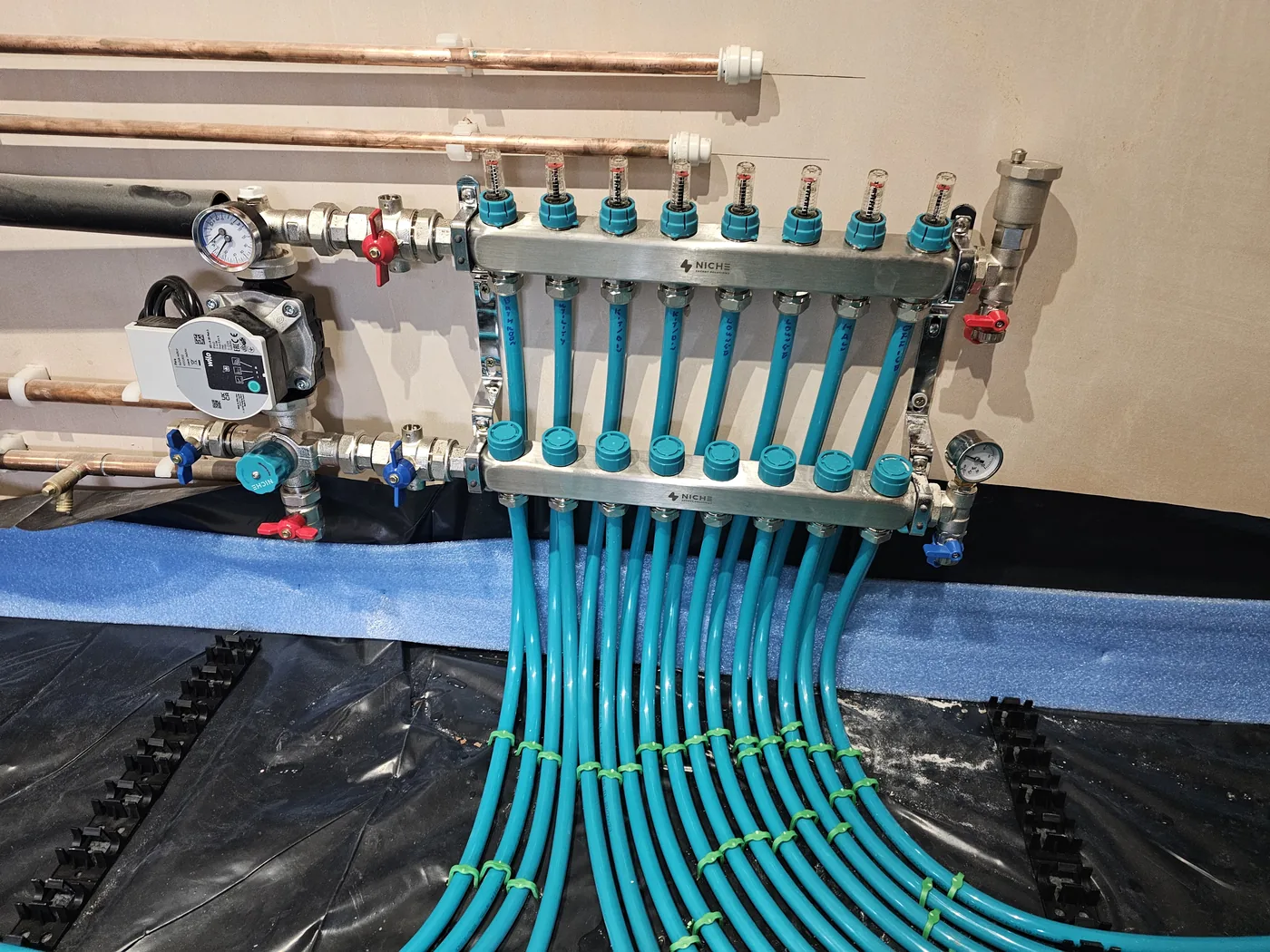
Next the services: full or partial rewire, new consumer unit, heating layout and boiler, waste and water runs, ventilation. All of it fixed before a single wall is skimmed. Then insulation, plasterboard and plaster throughout in one pass, which is both cheaper and better than room-by-room patching.
Only then the finishes — flooring, kitchen, bathrooms, joinery, staircase, tiling and decoration. Every renovation that ends badly ended badly because that order was broken to get one room finished early.
Older stock
Liverpool houses have history.
Much of the housing we work on across Liverpool and Merseyside is Victorian terrace, interwar semi or postwar estate stock, and each has its own predictable set of problems. Solid nine-inch walls with no cavity and no insulation. Lath and plaster ceilings on the point of letting go. Bitumen or no damp proof course. Cast iron or clay drainage. Rewirable fuse boards and rubber-sheathed cable. Chimney breasts removed at some point by someone who did not think about what was holding the stack up.
None of that is a reason not to buy the house. It is a reason to survey it properly before pricing it. We open up where we need to, take moisture readings rather than guesses, and put the findings in the quotation as scope rather than saving them up as variations.
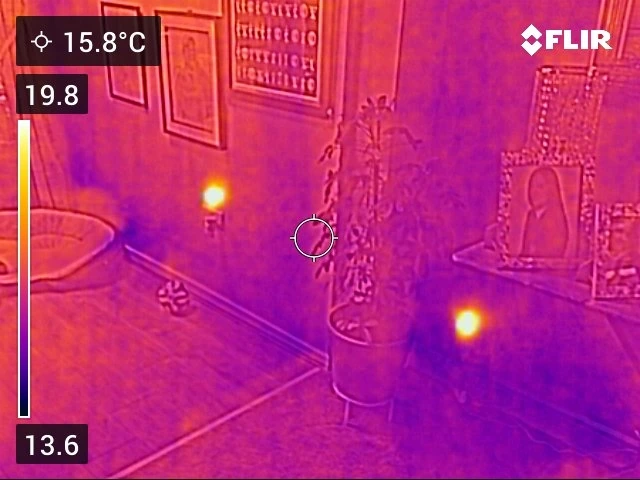
Where a defect needs finding before it can be priced at all — a leak with no obvious source, damp with three possible causes, a roof nobody can safely get onto — we use drone survey, thermal imaging and moisture testing first, and quote from evidence.
The work
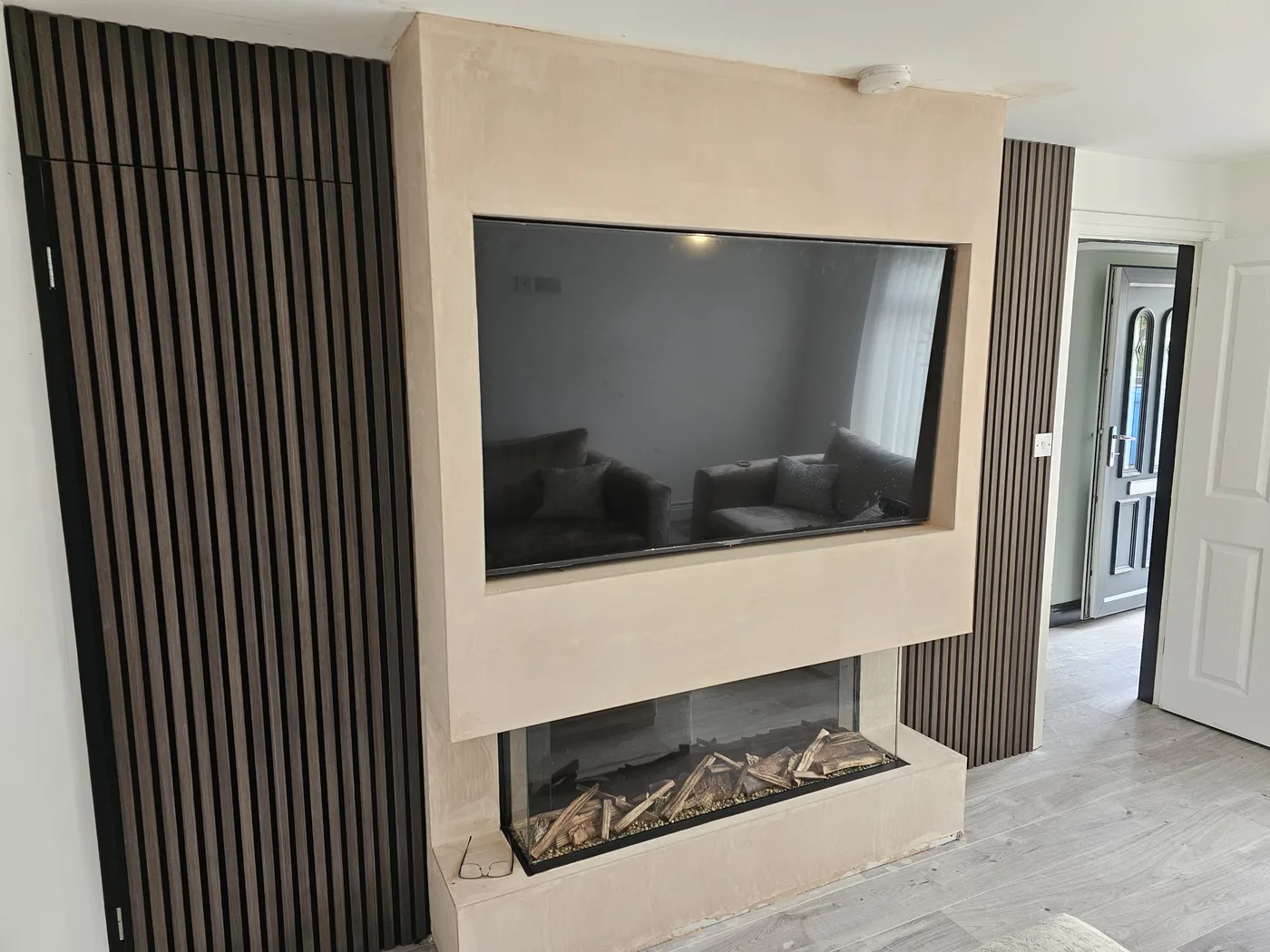
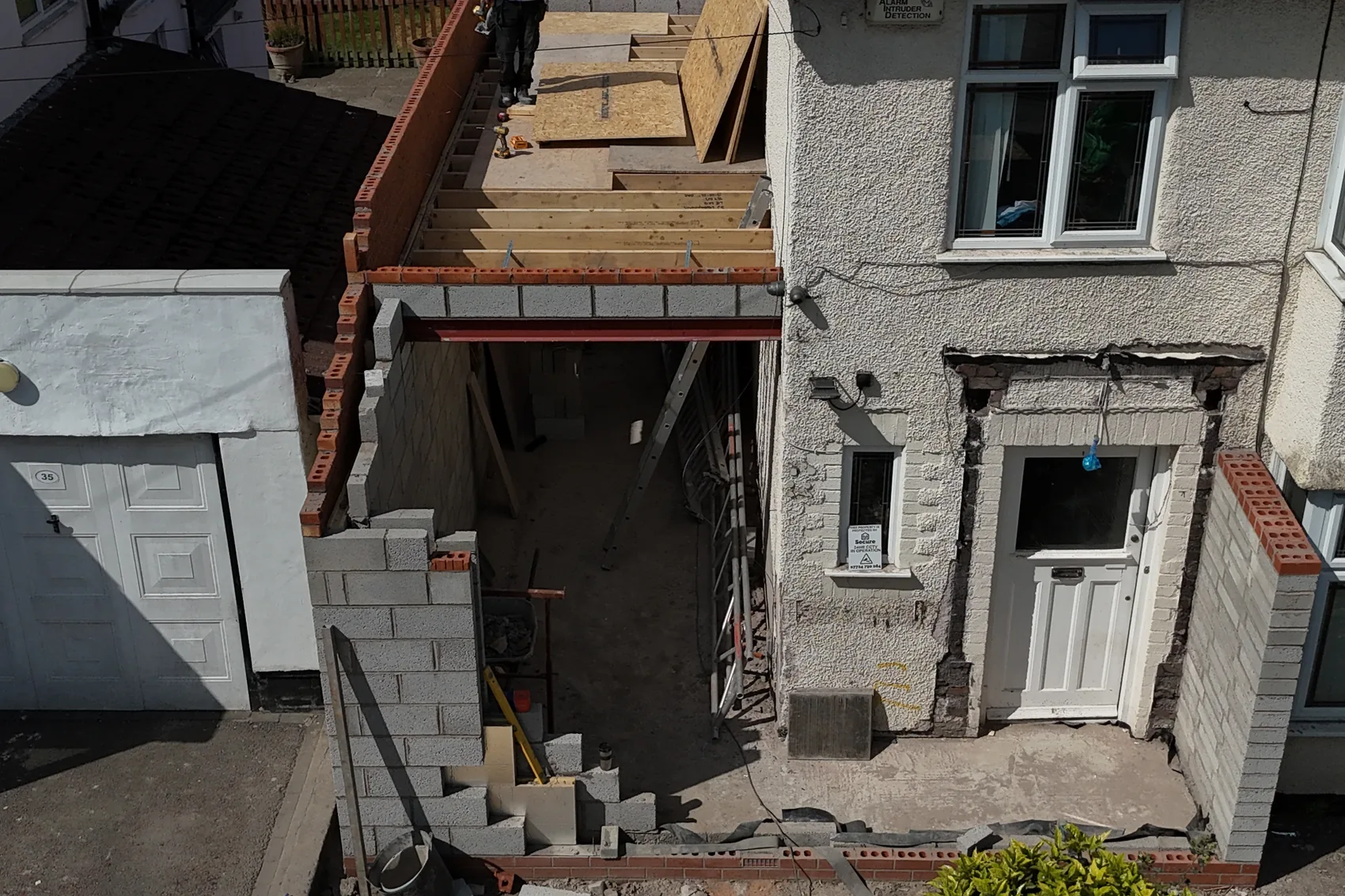
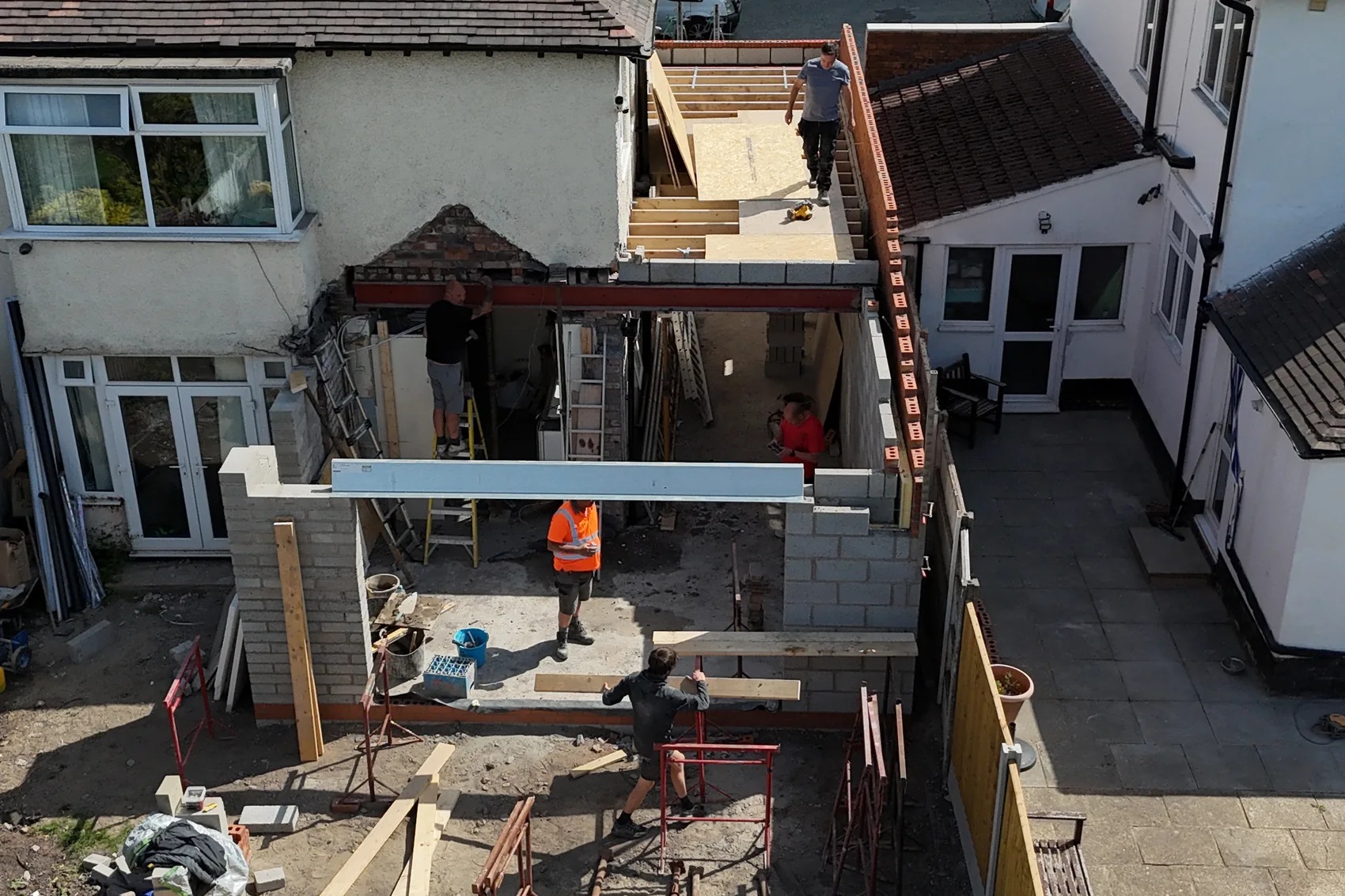
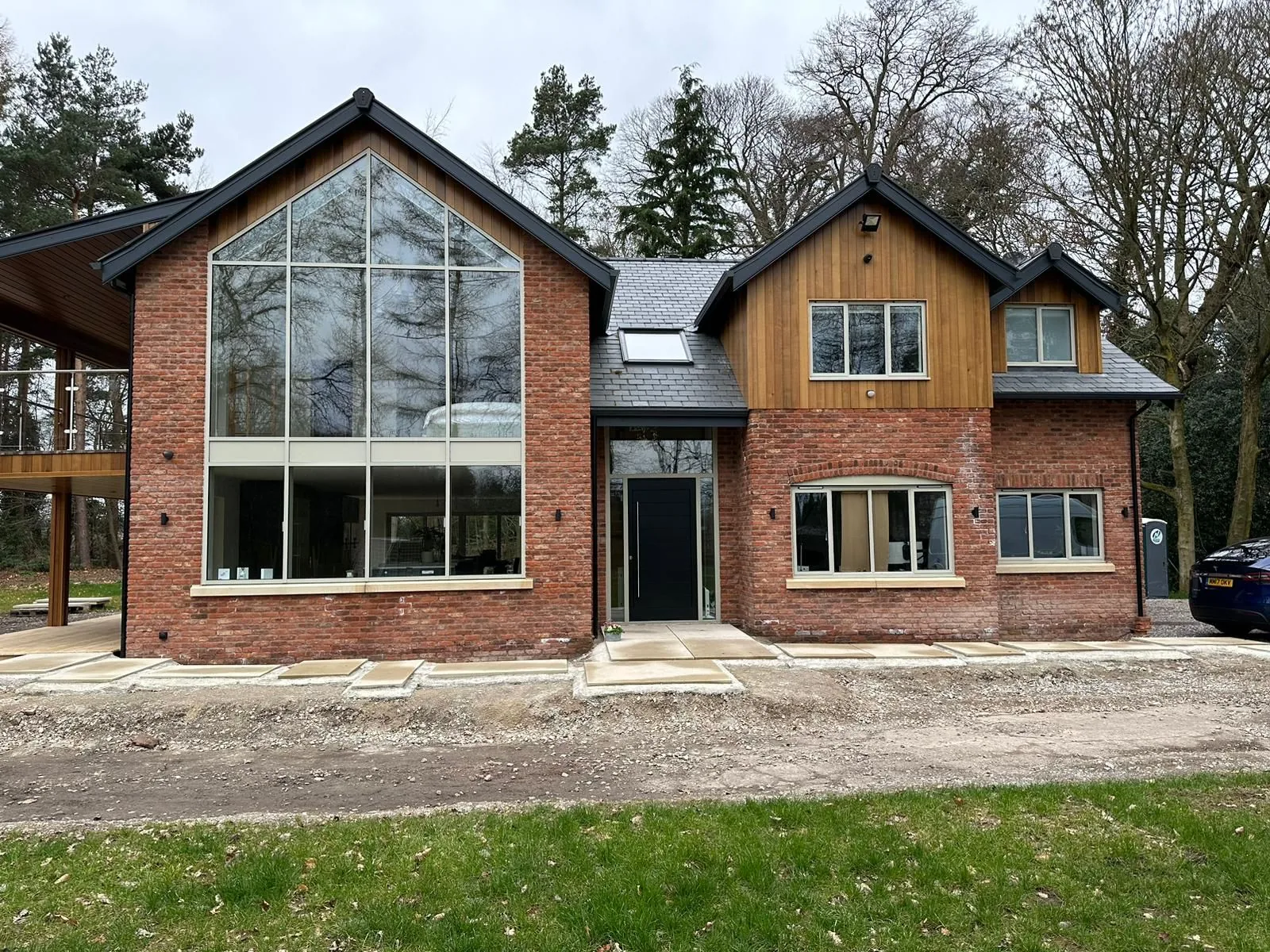
Renovations we have delivered.
What drives the price
What sets a renovation budget.
- Age and condition
- Wiring, drainage, damp, plaster, ceilings
- Structure
- Openings, chimney breasts, loft, roof
- Services
- Rewire, heating, waste, ventilation
- Occupied or empty
- Phasing and programme length
The single biggest variable is whether the house is empty. An empty property can be programmed in parallel and finishes faster and cheaper; an occupied one has to be phased around the people living in it.
Also
Part of the same job.
House extensions
If the plan involves more space as well as better space, the extension should be in the same programme.
Kitchen renovations
The kitchen is usually the largest single finish item in a whole-house budget.
Bathroom renovations
Bathrooms come after plastering and before decoration. Sequenced properly, they cost less.
Common questions
Before you start.
Is it cheaper to renovate a whole house in one go or room by room?
In one go, almost always — provided you can be out of it or live with the disruption. Trades come once instead of six times, scaffold and skips are shared across the whole job, and the messy work happens before the finishes rather than being retrofitted around them. Room by room costs more per room but spreads the money out, which for a lot of people is the deciding factor. We will price it either way and show you the difference.
Can you work on a house we have just bought and not moved into?
That is the ideal scenario and the fastest way to do it. An empty house lets the whole programme run in parallel — first fix throughout, plastering throughout, second fix throughout — instead of sequencing around a family. If you have a completion date, tell us at quotation stage and we will programme back from it.
Do you handle rewires and new heating systems?
Yes, as part of the renovation and certified by the relevant registered trade. On older Liverpool housing stock a full rewire and a new boiler and heating layout are frequently the two biggest single items, and they have to happen before plastering. Anyone quoting you a whole-house renovation without addressing the electrics and heating on properties of that age is not really quoting the job.
What about damp in an older property?
It gets diagnosed before it gets priced. Rising damp, penetrating damp, condensation and a leaking gutter all look similar on a wall and all need entirely different work. We use a Protimeter moisture meter to take comparative readings and a FLIR C5 thermal camera to trace where water is actually tracking, so the repair addresses the cause. Injecting a chemical DPC into a wall that is wet because a downpipe is broken is money thrown away.
Will you deal with building control and any structural work?
Yes. Structural alterations, new openings, loft conversions and anything affecting means of escape or fire separation are notified and inspected. SJ Developments is an LABC Approved Contractor and you get the completion paperwork at handover, which matters when you sell.
Can the work be phased to spread the cost?
Yes, and we will tell you the sensible order rather than just splitting it. Structure, roof, windows, rewire, heating and plastering first; kitchens, bathrooms and decoration after. Doing it in that order means nothing finished gets ripped back out to reach something unfinished.
Enquiries
Send the address.
Whether it is a house you have just bought or one you have lived in for twenty years, we will come and survey it properly and give you a sectioned quotation you can actually plan around. Site visit and quotation are free.