
Builders in West Derby.
Extensions, kitchens, bathrooms and whole-house refurbishment across West Derby, Sandfield Park, Croxteth Park and Old Swan.
West Derby covers a wide range of property — Victorian villas and larger detached houses around the village and Sandfield Park, interwar semis through the middle, and modern estate housing at Croxteth Park. The older stock is the interesting work and the more demanding: solid walls, lath and plaster, original joinery worth keeping, and a conservation area at the centre of it.
West Derby
Working in West Derby.
West Derby Village is a designated conservation area, first designated on 30 July 1969 according to walkingbook.co.uk. Liverpool has 36 conservation areas in total, covering around nine per cent of the city and roughly 19,000 properties, including West Derby and Woolton Village, per Liverpool City Council. If you are in or near the village, assume the council will take an interest in materials and detail.
The older housing here brings a predictable set of conditions. Solid nine-inch walls with no cavity and no insulation. Lath and plaster ceilings near the end of their life. Bitumen or absent damp proof courses. Original sash windows and internal joinery that is usually worth repairing rather than replacing. Chimney breasts removed at some point without much thought for what was carrying the stack above. None of that is a reason to avoid the property; it is a reason to survey it before pricing it.
On the newer estate housing at Croxteth Park and the interwar semis through West Derby proper, the work is more conventional — rear extensions, kitchen and dining knock-throughs, garage conversions, loft space and full refurbishments.
Approvals
Planning and building control.
West Derby is within the city of Liverpool, so planning applications and building regulations go through Liverpool City Council planning and building control rather than Knowsley. Within the West Derby Village Conservation Area there is additional control over demolition, alterations affecting the character of the area, and in some cases work that would otherwise be permitted development.
Where an application is required, the drawings need to be right. We work alongside O'Rourke Designs for architectural design and planning, so the scheme is designed, drawn and priced as one exercise. Outside the conservation area, many rear extensions fall under permitted development; the general limits are on the Planning Portal.
Building regulations are separate and apply either way. On older property they bite harder than people expect — insulation and thermal upgrade at new elements, structural calculations for openings and removed chimney breasts, and fire and escape requirements on loft conversions. As an LABC approved contractor we handle the application, the staged inspections and the certificate.
The work
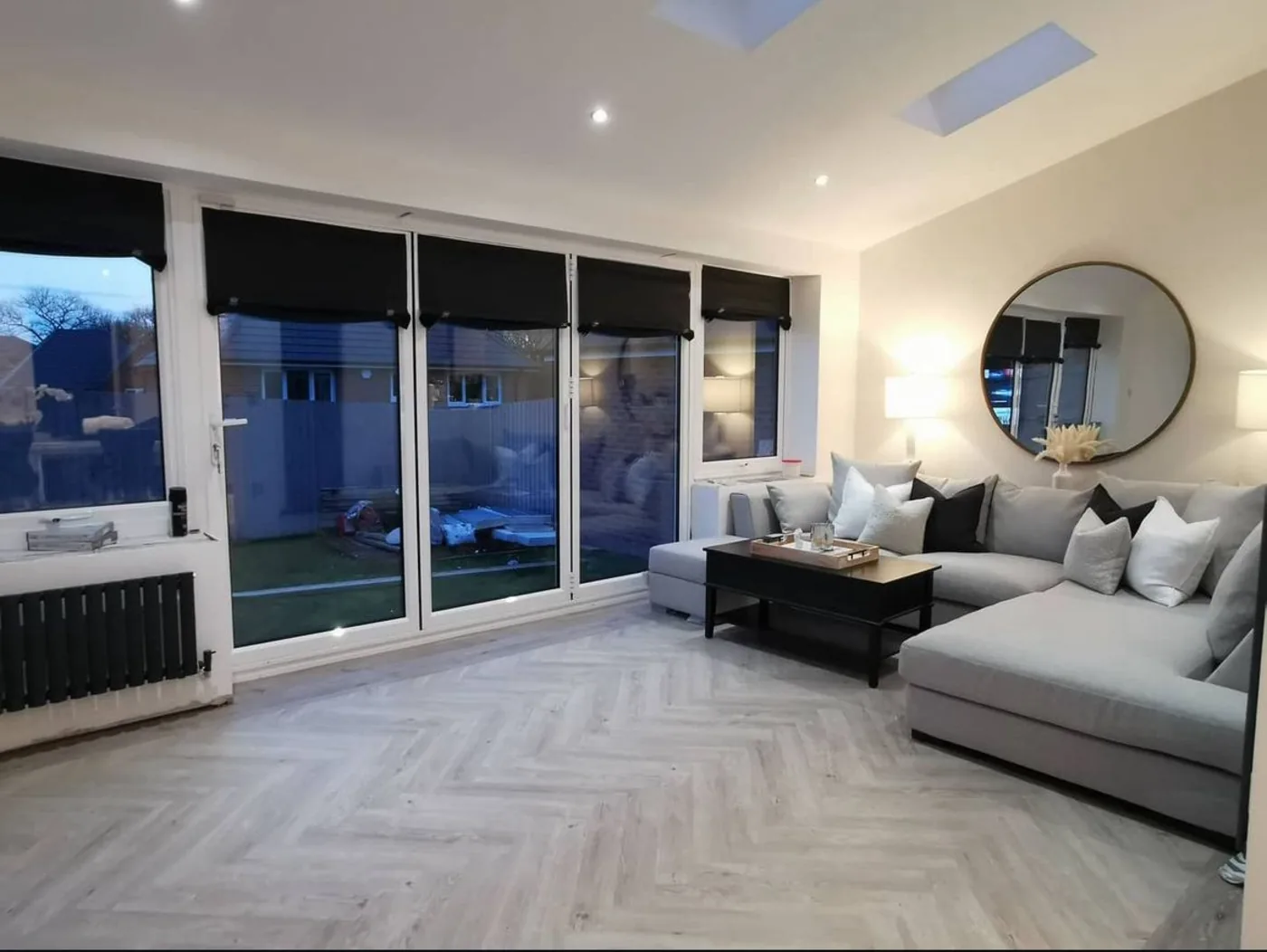
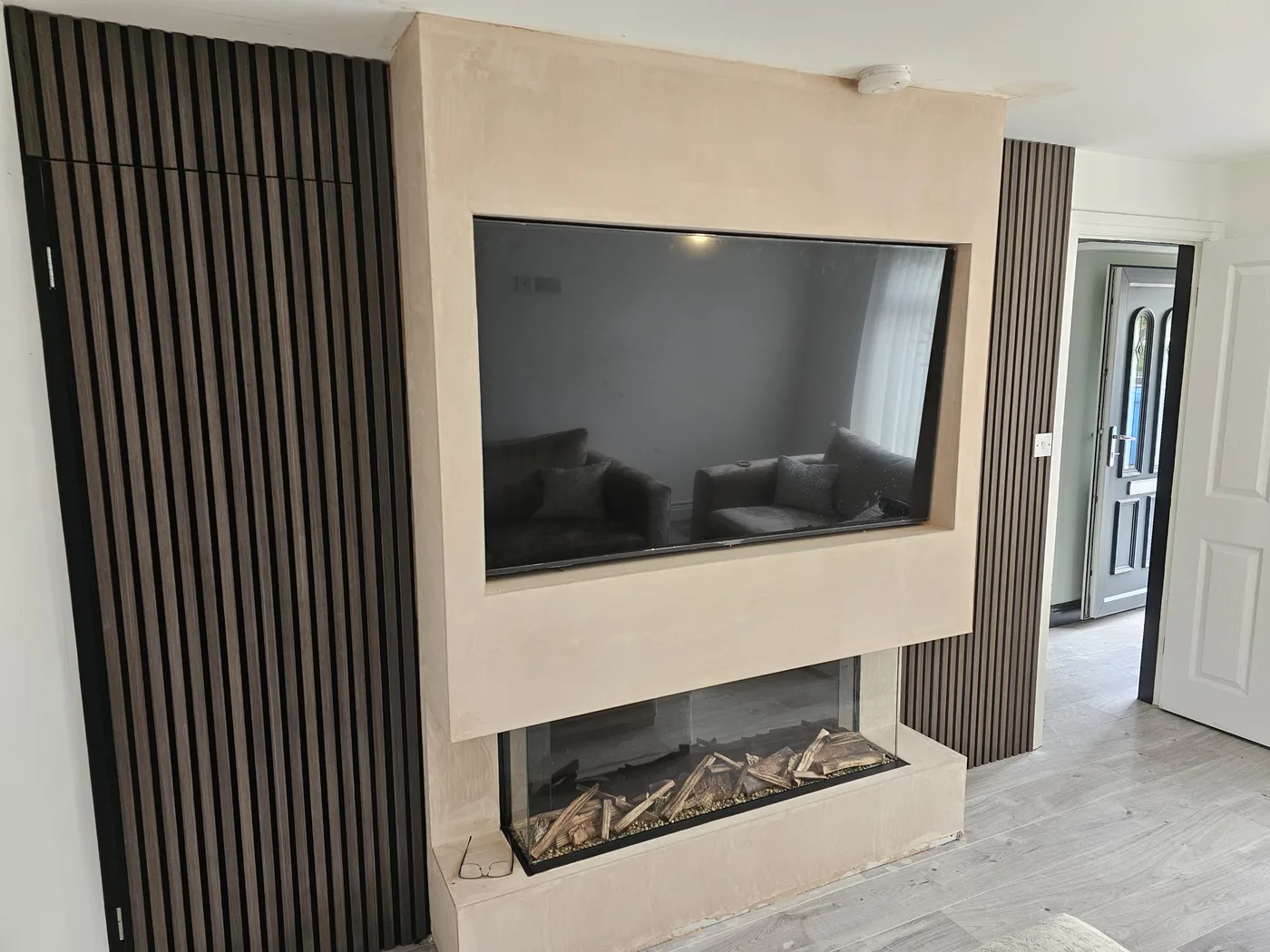
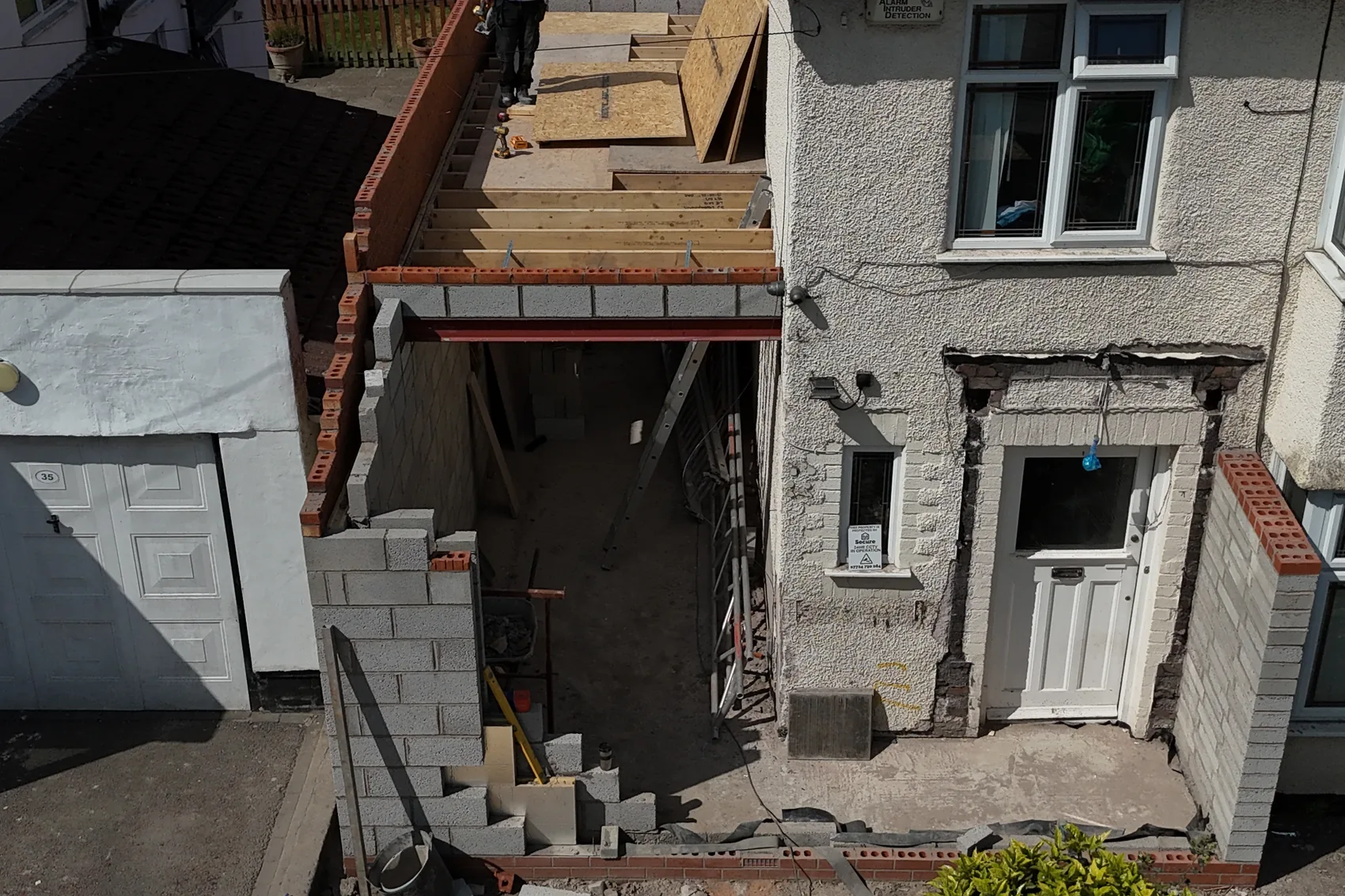
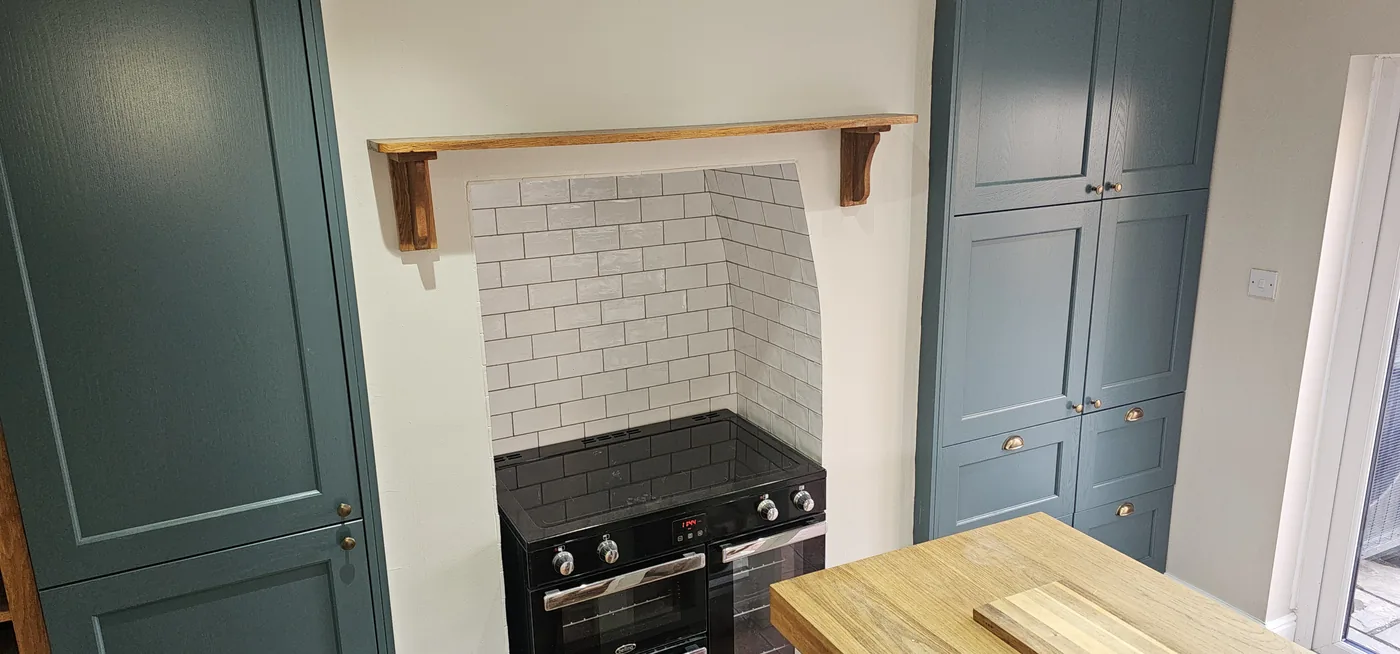
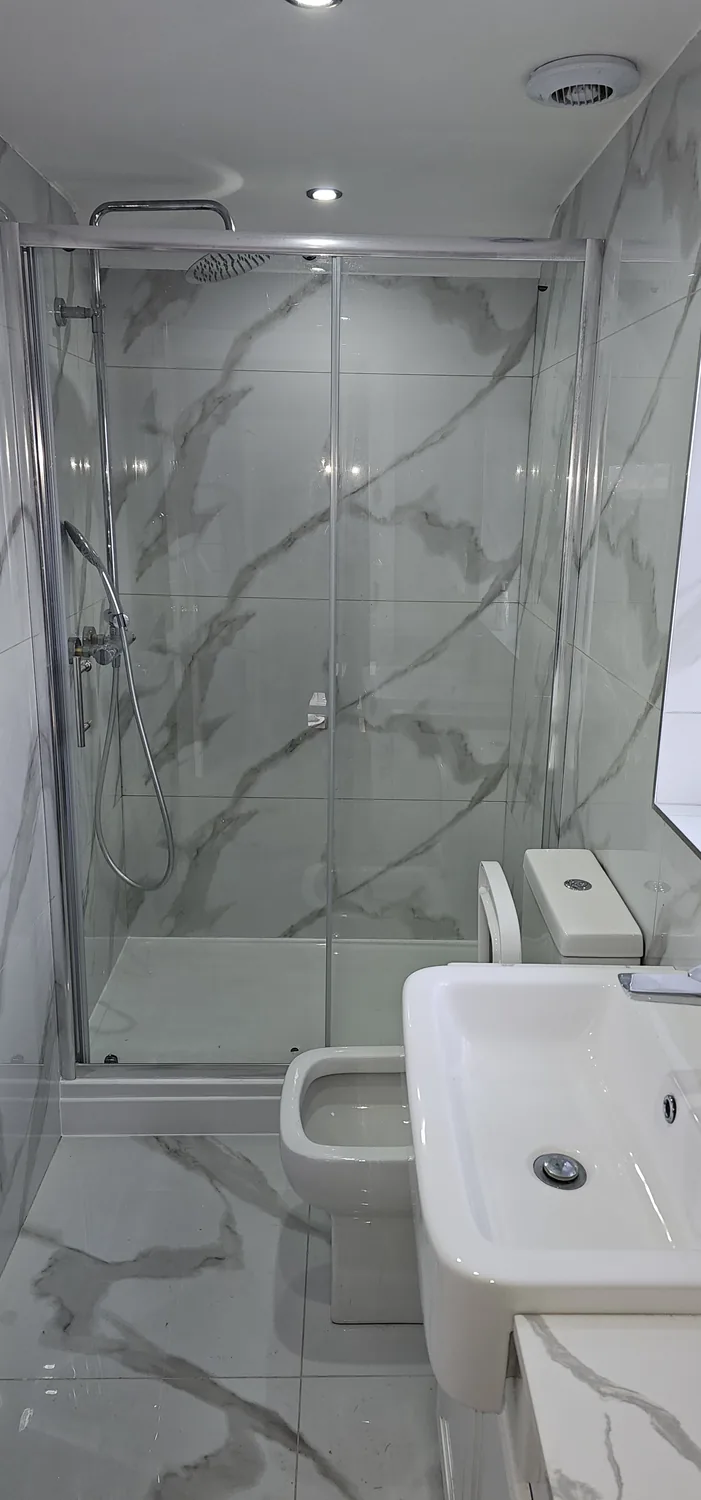
Recent projects.
Coverage
West Derby and nearby.
- West Derby
- L12, plus Sandfield Park
- Also covered
- Croxteth Park, Old Swan, Tuebrook
- Authority
- Liverpool City Council
- Note
- West Derby Village Conservation Area
Liverpool has 36 conservation areas covering around 19,000 properties. If your address is one of them, the specification has to be agreed before it can be honestly priced — and we will tell you that at the site visit rather than after you have signed.
Also
What we do in West Derby.
House extensions
Single-storey, two-storey and wrap-around, including conservation-sensitive specifications.
Common questions
Building in West Derby.
Is West Derby a conservation area?
West Derby Village is a designated conservation area and was designated on 30 July 1969. It does not cover the whole of West Derby — much of the surrounding interwar and modern housing sits outside it. Liverpool City Council can confirm whether your specific address is included, and it is worth checking before commissioning drawings.
Can I still extend a house in the conservation area?
Usually yes, but with more control over how. Some permitted development rights may be removed, meaning an application is required where it would not be elsewhere, and the council will look closely at materials, proportions, window detail and anything visible from the street. Rear extensions with a sympathetic specification are commonly approved.
What are the common problems in older West Derby property?
Solid walls with no cavity or insulation, lath and plaster ceilings at the end of their life, absent or failed damp proof courses, old rewirable electrics, cast iron or clay drainage, and chimney breasts removed without adequate support. We survey and open up where necessary so those items go in the quotation as scope rather than arriving later as variations.
How do you diagnose damp before quoting?
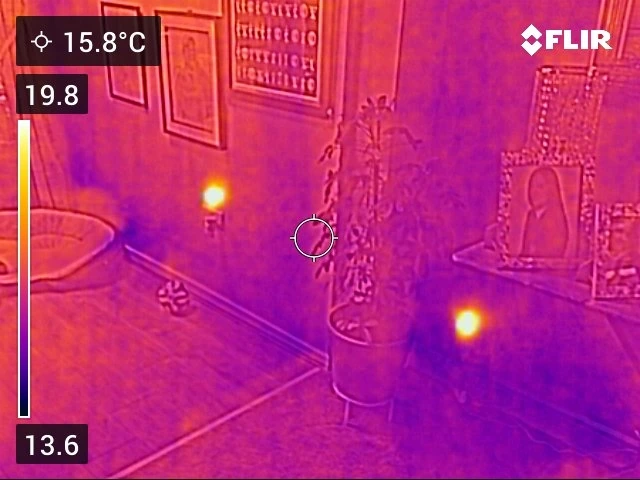
With instruments rather than guesswork. We use a Protimeter moisture meter to take comparative readings across affected and unaffected areas and a FLIR C5 thermal camera to trace where water is actually tracking. Rising damp, penetrating damp, condensation and a failed gutter all present similarly on a wall and all need different repairs — injecting a chemical DPC into a wall that is wet from a broken downpipe is money wasted.
Which council covers West Derby?
Liverpool City Council. West Derby is within the city boundary, so planning and building control go through Liverpool rather than Knowsley — unlike Huyton and Prescot, which are in Knowsley.
Enquiries
Free site visit, free quotation.
Send us the West Derby address and what you are planning. We will survey it properly — including moisture readings and thermal imaging where there is any sign of damp — and give you a written quotation with one total. Free, and no obligation.